
Nun chai, also known as noon chai, is a popular tea in Kashmir, a region located in the northernmost part of the Indian subcontinent. The tea is pink in color and has a distinctive salty taste, which makes it stand out from other teas in the region.
The origins of nun chai can be traced back to the Kashmiri Pandits, a Hindu community that has lived in the region for centuries. The tea was traditionally consumed during the winter months, as it was believed to help keep the body warm and ward off colds and flu.
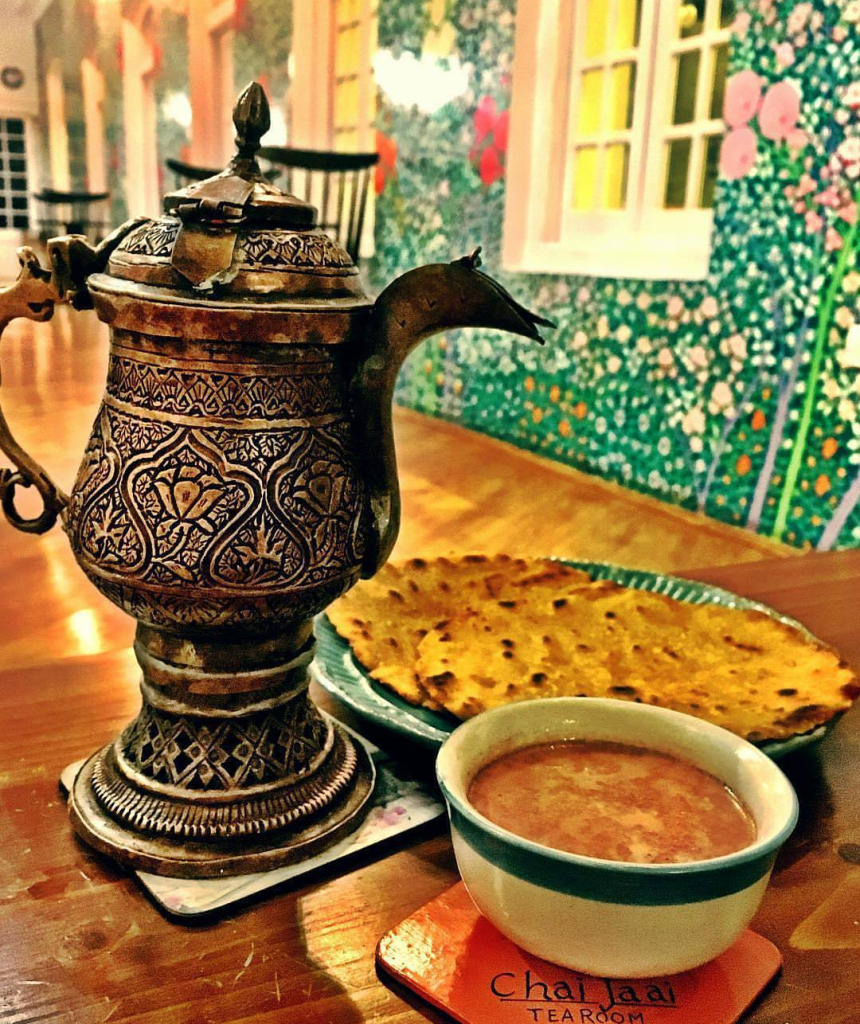
Over time, nun chai became popular among all communities in Kashmir, including Muslims, who make up the majority of the population. Today, the tea is an integral part of Kashmiri culture and is often served during weddings, funerals, and other important occasions.
The preparation of nun chai is a laborious process that requires patience and skill. The tea is made using a special type of green tea leaves known as kahwa, which is boiled for several hours with baking soda and salt to create a rich, pink broth.
To prepare the tea, the pink broth is mixed with milk and sugar and boiled again. The resulting tea is served hot and is often accompanied by Kashmiri bread or biscuits.
Nun chai has a unique flavor that is both sweet and savory, with a hint of bitterness from the tea leaves. The tea is often compared to a salty version of the Indian masala chai and is an acquired taste for many.
In addition to its taste, nun chai is also valued for its health benefits. The tea is believed to aid digestion, promote good health, and boost the immune system. It is also said to have a calming effect on the mind and body and is often consumed as a natural remedy for anxiety and stress.
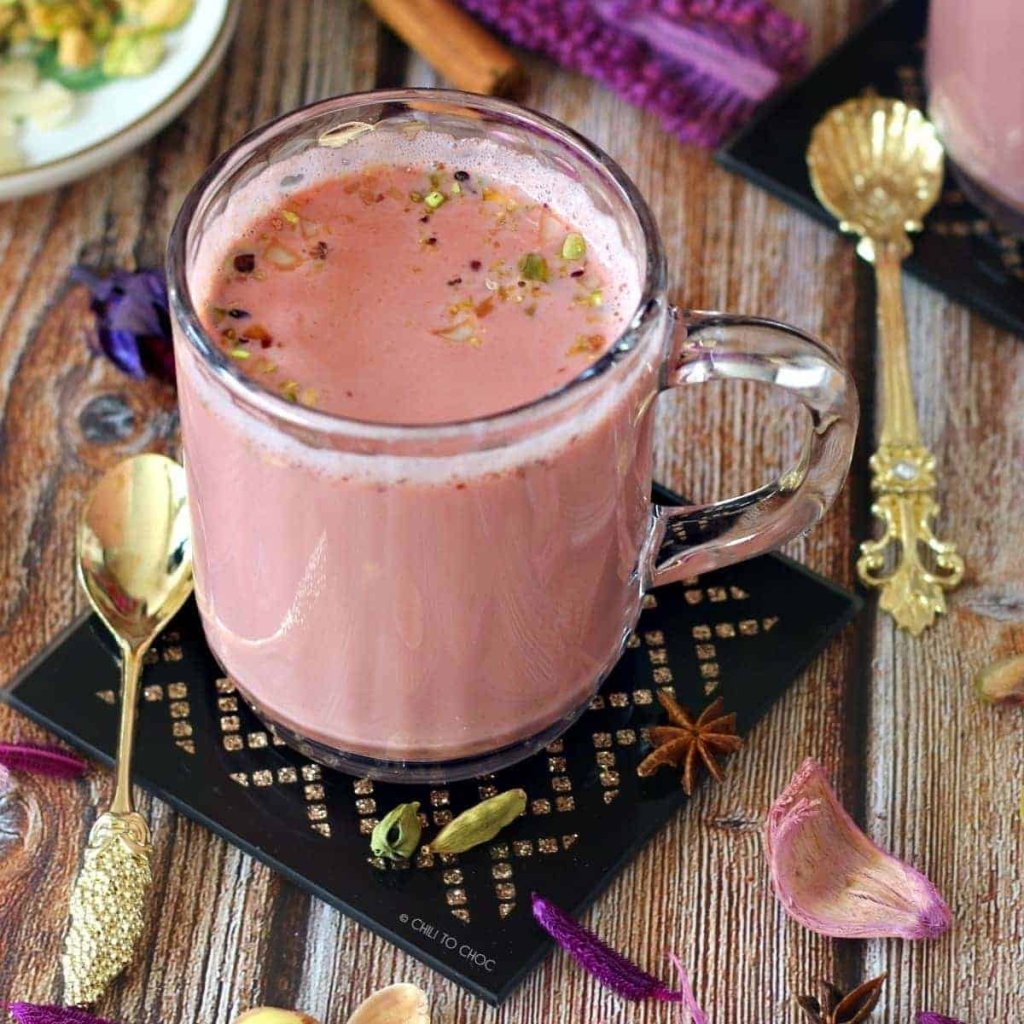
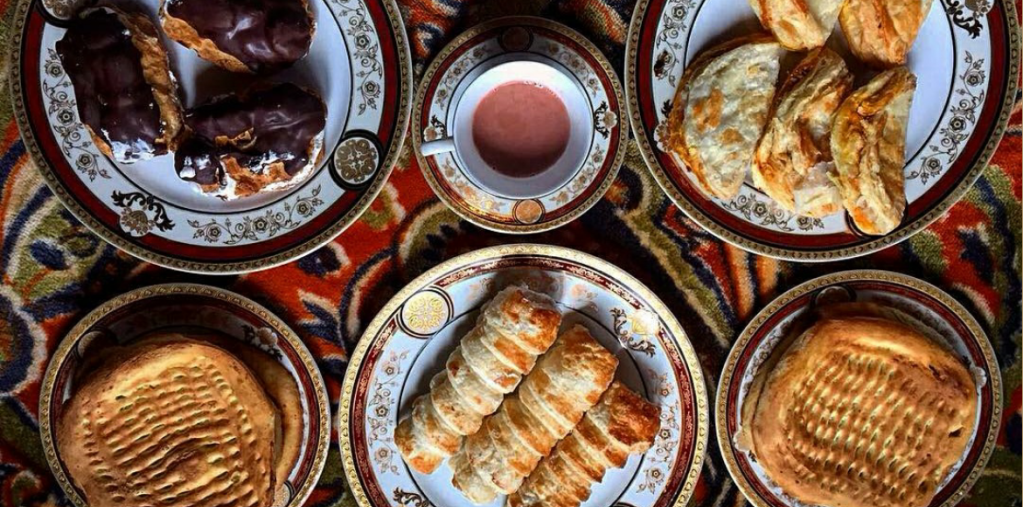
Beyond its culinary and health benefits, nun chai also holds a special place in Kashmiri culture and history. During the turbulent years of the Kashmir conflict, nun chai became a symbol of resilience and hope for the people of the region.
In the early 1990s, when Kashmir was in the grip of a violent insurgency, nun chai became a symbol of solidarity and resistance for the people of the region. Despite the dangers and difficulties of daily life, people continued to gather and share tea, using it as a means of connection and comfort during a time of great turmoil.
In recent years, nun chai has gained recognition beyond the borders of Kashmir, with food enthusiasts and bloggers across the world seeking out the salty pink tea. The tea has also become a popular souvenir for tourists visiting the region, with many local vendors selling packets of the tea to take back home.
Despite its growing popularity, however, nun chai remains a cherished part of Kashmiri culture and identity. The tea serves as a reminder of the region’s rich history and cultural heritage, as well as a testament to the resilience and strength of the people of Kashmir.
In conclusion, nun chai is more than just a tea – it is a symbol of Kashmiri culture, history, and identity. Its unique taste, health benefits, and cultural significance have made it a beloved part of the region’s culinary tradition, as well as a means of connection and comfort for the people of Kashmir during times of struggle and strife.
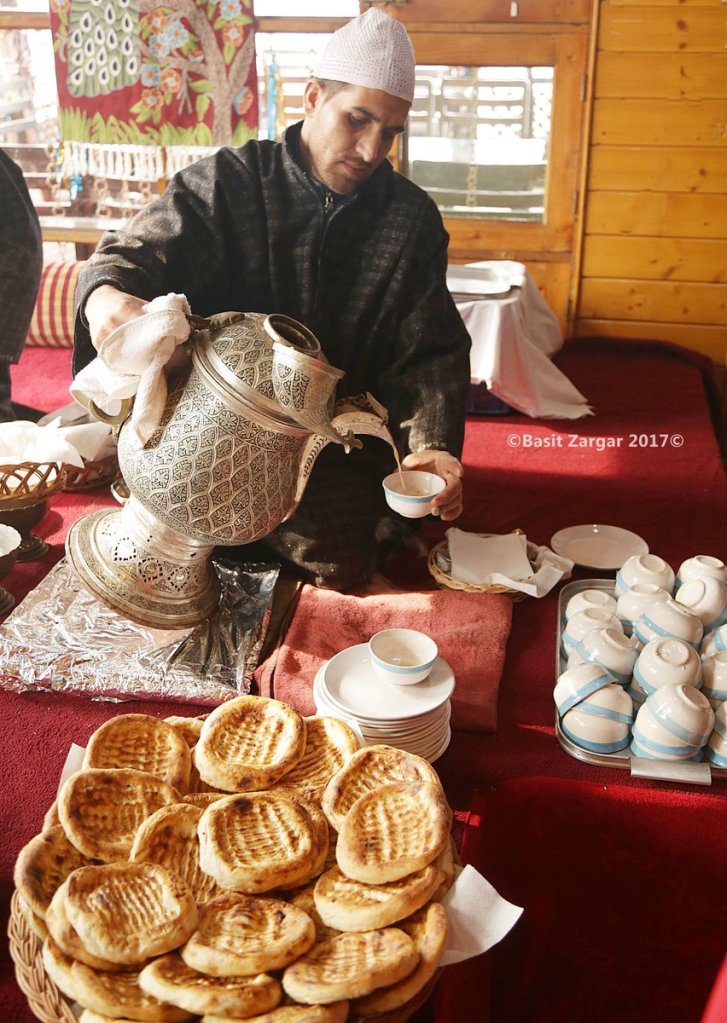
“Nun chai is more than just a tea, it’s a symbol of resilience and hope for the people of Kashmir.”-
Sameer, a Kashmiri activist.

 The Mind's Eye: Reflections on consciousness, perception, and reality